top of page
ABOUT CLASSES GET GROUNDED
_edited_edited_edited.png)
RETREATS CONTACT SHOP
DANCE
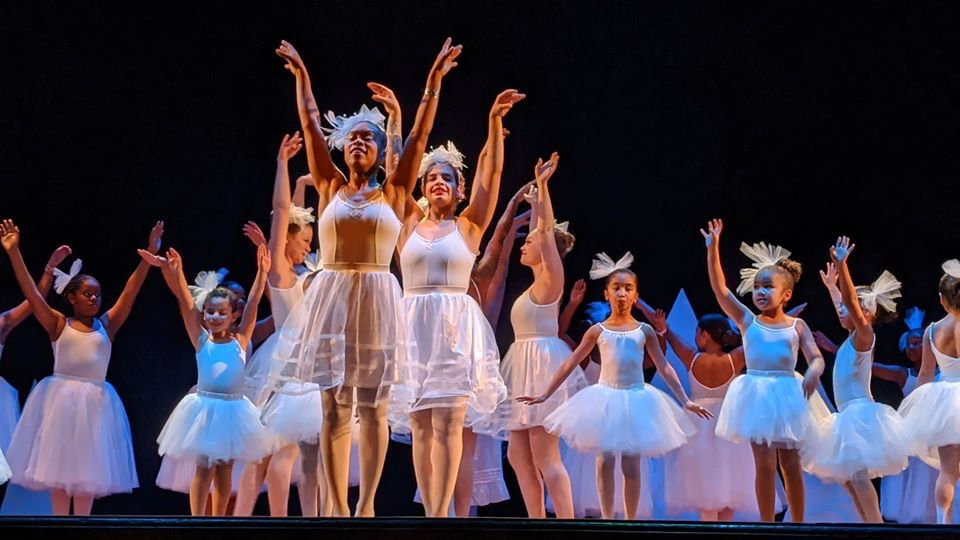
Dance is defined as the rhythmic movement of the body generally to music that may follow a particular order or can be done as a freestyle.
Movement is defined as an action of the body where the body changes postures and positions at a slow or fast pace. Our bodies crave movement because we were built for it. For most of human history, survival depended on moving—hunting, gathering, running, climbing. So our brains and bodies evolved to expect and thrive on regular physical activity.
Movement keeps us healthy – It helps blood flow, strengthens muscles, and keeps joints working properly.
It makes us feel good – Movement releases chemicals like endorphins and dopamine, which boost mood and reduce stress.
It keeps our brains sharp – Physical activity helps improve memory, focus, and learning.
It prevents stiffness and pain – Staying still too long can make us ache, so our bodies nudge us to move.
In short, movement is like maintenance for your body and mind. Without it, things start to break down.
I was a dance student by the age of 3 years old. It all started March 25, 1988, when Michael Jackson performed the moonwalk live for the first time to his hit song “Billie Jean” during his solo performance at the “Motown 25” TV special. I tried to mimic his dance moves and by that Fall season my mother and father put me into dance class. I have been dancing ever since. I started teaching dance when I was 15 at local after school programs and summer camps. Since 2016, I have worked with dozens of schools and k-12 arts camps around Western MA. I am currently contracted to teach a variety of dance styles like afro-Caribbean, ballet, dance fitness, hip hop, jazz, musical theater, stepping, tap, and Zumba for various studios. I have also choreographed 3 musical productions during my 10-year entrepreneurial teaching career.


bottom of page